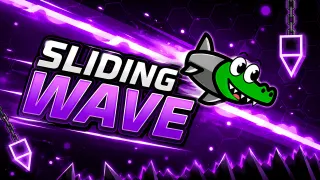
Sliding Wave is a fast-paced skill title built around razor-timing decisions—where your control choices matter as much as your reflexes.
Mastering the Wave in Sliding Wave
Sliding Wave’s central mechanic is hold to rise and release to descend. This design is deceptively powerful because it turns responsiveness and timing into the main skill driver.
The Physics of Slopes
Sloped tracks create the real challenge. Navigating them isn’t just about avoiding spikes—it’s about maintaining a controllable line while the track angle changes.
To stay in control
Plan your rise/release timing around the slope’s direction, not only around individual hazards.
Treat sharp corners as trajectory problems. Your position relative to the turn matters more than your reaction at the exact moment you see danger.
Avoid overcorrecting. In high-speed moments, large input swings often destabilize your line.
Tips to Survive Longer
Master one timing pattern before chasing speed: Speed comes naturally once your rise/release timing becomes consistent. If you chase speed too early, you’ll break momentum and crash more often.
Pre-aim for turns and elevation changes: The best players anticipate where the Wave will be when the hazard arrives—not where it is right now.
Collect only when it won’t force a late decision: If reaching a coin or crystal would make you adjust too late (especially near narrow passages), skip it. Survival and clean flow create far more improvement than risky detours.
These endless runner games share the same core appeal: fast movement, quick decision-making, and the satisfaction of improving run after run. If you want more, search for platform/run games with “physics,” “momentum,” or “neon arcade” themes to find close matches.