City Hero


Be the first to comment
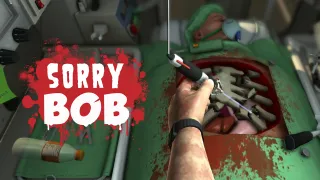
Sorry Bob is often described as “ragdoll surgery,” and that label fits perfectly: bodies don’t behave, tools refuse to cooperate, and seriousness collapses the moment physics enters the room. The game treats medical drama the way silent films treated dignity—something meant to be lost in the most spectacular way possible.
At the heart of this chaos is the “oops” factor. One careless click, one overconfident movement, and a routine action instantly becomes a viral-worthy disaster. Sorry Bob thrives on these moments, where intention and outcome part ways and comedy rushes in to fill the gap.
Every session in Sorry Bob is a chain reaction waiting to happen. Drop one object and the consequences ripple outward in ways you never planned. A tool slips, nudges something important, and suddenly the entire scene escalates. The game’s physics system turns small mistakes into full-blown events, making each failure feel both personal and unpredictable.
Sound plays a quiet but powerful role in shaping the experience. Every squish, thud, and metallic clatter adds weight to your actions, reminding you that things are happening whether you’re ready or not. The beeping monitors and ambient noises create tension, even when the visuals are already spiraling into absurdity.
Silent, motionless, and endlessly patient, Bob becomes the emotional anchor of the chaos. He never reacts, never complains, and never interrupts—making every mistake feel just a bit more ridiculous. His stillness contrasts sharply with your frantic movements, turning him into the ultimate straight man in a slapstick routine.
Sorry Bob isn’t about winning cleanly. It’s about surviving chaos long enough to feel triumphant—or at least entertained. And no matter how many times things go wrong, there’s always that familiar thought afterward: Sorry, Bob… let’s try again.