Snake Game


Be the first to comment
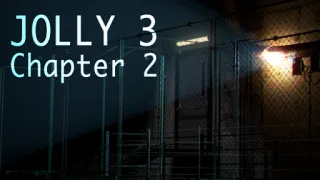
There are no weapons. No escape routes. No backup. In Jolly 3: Chapter 2, you’re confined to a single office while two damaged animatronics close in from the darkness. Survival isn’t about speed; it’s about control.
Your goal each night is straightforward: survive until morning. But execution is anything but simple.
You must monitor animatronic movement, maintain critical infrastructure, and defend your office entrance, all while resources recharge slowly and threats escalate.
Behind your desk lies the control panel, your only lifeline. It contains three essential systems
Unlike action-heavy horror titles, this game rewards thoughtful prioritization. The smartest players survive longer, not the fastest.
Heat increases failure rates. Ventilation impacts clarity. Camera outages create uncertainty. These mechanics stack, building tension naturally without relying on constant jump scares.
Defeats feel earned. If you lose, it’s usually because of a mistimed jammer, unnecessary radar use, or neglected maintenance. The game respects skill progression and encourages optimization.
Fans of contained-survival horror like Five Nights at Freddy's will recognize the desk-bound intensity, but Jolly 3: Chapter 2 deepens the formula with environmental management and layered mechanical stress.